
Hotel Chair Buying: 7 Details Guests Notice Before They Even Sit Down

New York Showroom: 1357 Atlantic Ave, Brooklyn, NY 11216 | Hours: M–Thur 9:30am–5pm, Fri 9:30am–2pm | Minimum order: 10 pieces
A hotel chair is often judged before a guest touches it. A guest entering a lobby, restaurant, lounge, or guest room may notice its position, finish, proportions, and condition within seconds. They may also form an opinion when the chair moves across the floor or makes contact with the table.
These details are subtle, but they influence whether a space feels considered, comfortable, and well maintained.
For hotel owners, procurement managers, and interior designers, the buying process should look beyond colour and price. A suitable hotel chair needs to perform visually, physically, and operationally. The following checklist highlights seven details guests register before they sit down and connects each one to commercial-grade seating requirements.
Stable Frames
Guests notice weight and stability through small movements. A chair that looks too light may appear temporary or easy to tip. One that is excessively heavy may seem difficult for guests and staff to move. A well-made hotel chair should feel substantial without becoming impractical.
Look for:
- A rigid frame with no visible flex
- Evenly balanced legs
- Secure joints and reinforced connection points
- A weight suitable for housekeeping and floor staff
- A stable base that does not rock when nudged
A quick showroom test is simple: place the chair on a hard, level surface, hold the back lightly, and apply gentle pressure from different angles. It should remain steady without creaking or shifting.
Frame material will depend on the hotel’s design and use. Solid wood can provide warmth and a traditional appearance, while metal or aluminum can support modern designs and frequent reconfiguration. The key is not simply the material. It is the quality of the construction and whether the chair is intended for commercial use.
The Chair Market’s commercial seating collection includes wood, upholstered, metal, and stackable seating options for high-traffic hospitality environments.
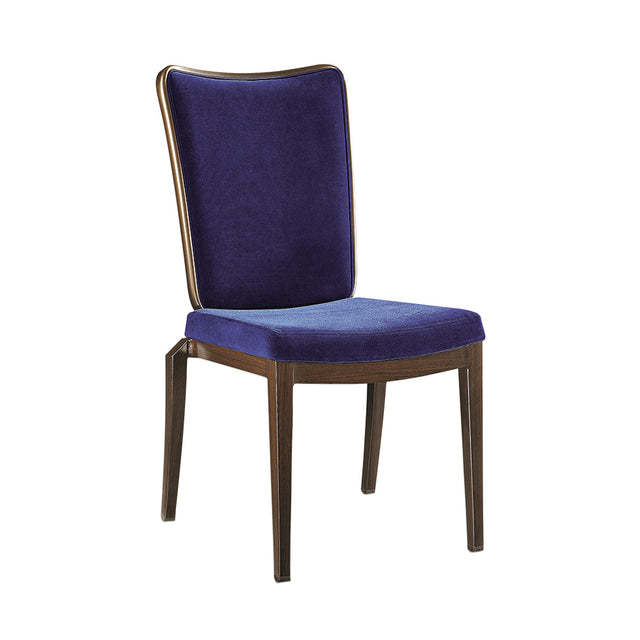
Comfortable Arms
Armrests are one of the first physical details guests evaluate visually. If they appear too low, narrow, or sharply angled, guests may anticipate an awkward sitting position. If they are too wide, the chair may look difficult to pull close to the table.
For hotel dining chairs and lounge seating, check:
- Armrest height in relation to the seat
- Enough width for natural elbow placement
- A smooth transition between the arm, back, and seat
- Clearance beneath the table
- A shape that supports movement without restricting it
Armchairs can be particularly useful in hotel restaurants, club lounges, and guest rooms where guests may appreciate additional support when sitting down or standing up. However, an armchair must be tested with the table it will accompany. An attractive chair that cannot slide comfortably beneath the table creates an immediate operational problem.
For guest rooms, consider how the chair will be used. A desk chair may need a more upright posture and compact footprint. A reading or lounge chair can provide a deeper seat and more relaxed back angle. The right chairs for hotel rooms should match the activity, not simply the available space.
Explore The Chair Market’s fully upholstered chair selection for seating with padded backs, seats, and arm options.

Tactile Fabrics
Guests notice fabric through both sight and touch. They may brush against the chair while sitting, place a hand on the back, or hear the upholstery compress as they settle in. Fabric that feels thin, rough, loose, or overly slippery can reduce the perceived quality of the room.
When reviewing upholstered seating, check:
- How the fabric feels against clothing and skin
- Whether the weave appears even and durable
- Whether seams remain smooth under pressure
- Whether the fabric produces unwanted rubbing sounds
- How easily the surface can be cleaned and maintained
In a hotel environment, upholstery must support regular cleaning and repeated use. Ask for fabric specifications, cleaning instructions, abrasion information, and any applicable commercial-use documentation before placing a large order.
Cushioning also matters. Even padding and a properly shaped seat suggest comfort before a guest sits down. High-quality foam helps the chair retain its form over time, while poorly supported cushions can develop visible depressions and uneven edges.
The upholstery should also suit the setting. A darker, textured fabric may work well in a busy hotel restaurant. A lighter neutral may be appropriate for a carefully controlled guest room or executive lounge. Always review fabric samples under the actual lighting planned for the space.
Visible Finishes
Lighting changes the appearance of every hotel chair. A finish that looks balanced in a showroom may appear too glossy, too dark, or uneven beneath warm lobby lighting, bright restaurant fixtures, or natural daylight.
Guests notice:
- Scratches and chips along front legs
- Uneven stain or paint application
- Gloss that creates distracting reflections
- Colour changes under different light sources
- Visible wear at edges and contact points
Request finish samples whenever possible and review them in the intended environment. Place them beside the floor, table, wall colour, and lighting specification. This is especially important for wood-look finishes and darker upholstery, where glare or shadows can change the perceived tone.
Finish durability is also part of the maintenance story. Hotel seating is moved, cleaned, stacked, and repositioned repeatedly. A finish should be appropriate for that level of use rather than selected only for its appearance on day one.
The Chair Market offers a range of restaurant furniture, including classic and contemporary chairs that can be coordinated with commercial tables and hospitality interiors.

Quiet Glides
A chair that scrapes loudly across tile or hardwood can change the character of an entire room. In a quiet hotel lobby, the sound may feel disruptive. In a dining room, repeated scraping can contribute to an unnecessarily noisy atmosphere.
Guests notice when:
- Chair legs drag instead of moving smoothly
- Glides produce a high-pitched sound
- The chair catches on flooring transitions
- Legs leave marks or scratches
- Chairs make a hard impact when returned to the table
Test the chair on the flooring that will be used in the project. Carpet, wood, tile, stone, and luxury vinyl may each require a different glide material or configuration. Felt, nylon, rubber, or other floor-contact solutions should be selected according to the surface and the way the chair is expected to move.
Do not assess glides only when the chair is empty. Test them with a person seated and with staff moving multiple chairs during a typical room reset. A chair that moves well in a showroom may behave differently on a sloped floor, textured surface, or thick carpet.
Clear Sightlines
A chair does more than provide a place to sit. It occupies a visible position within the hotel’s layout. Guests notice whether the chair blocks views, crowds circulation paths, or makes a room feel smaller than it is.
Consider how the chair affects:
- Sightlines from the entrance
- Views across the dining room
- Access to service areas
- Paths for luggage and mobility aids
- Visual consistency between tables and seating
High-back chairs can provide privacy and visual definition in restaurants or lounges, while lower-back designs may support a more open layout. In guest rooms, a chair should not obstruct the desk, television, window, closet, or path to the bathroom.
Scale is important. A large upholstered chair may look appropriate in a spacious suite but overwhelm a compact standard room. For chairs for hotel rooms, measure the full footprint, including the space required to pull the chair out and use it comfortably.
Create a mock-up with one table and two or more chairs before approving a full order. Walk through the space from a guest’s point of view. If the arrangement feels cramped or interrupts the visual flow, the issue is easier to correct before delivery.

Quiet Movement
Guests notice the sound and effort involved in moving a chair, even when they do not consciously identify the cause. A chair that is awkward to grip, difficult to pull out, or prone to tipping can make the seating experience feel less refined.
Check:
- Whether the back provides a practical grip point
- Whether the chair can be pulled out without catching on the table
- Whether the weight feels manageable for staff
- Whether the legs remain stable during movement
- Whether the chair can be repositioned quietly
This matters in hotel restaurants with frequent table turnover, banquet rooms that change layouts, and guest rooms where housekeeping teams move furniture during cleaning. Stackability may also be valuable for function rooms, provided the stacking design does not damage upholstery or finishes.
For high-volume spaces, ask about guarantees, availability, replacement components, and lead times. Commercial seating is part of an operating system, not an isolated décor purchase.
Commercial Construction
The final detail guests notice is the overall impression created by all six previous points. A stable frame, comfortable arm position, clean upholstery, consistent finish, quiet glide, and clear layout communicate that the hotel has planned the guest experience carefully.
Before approving a hotel chair, use this buying checklist:
- Test the chair on the intended flooring
- Confirm seat height and table clearance
- Check armrest position and usability
- Review fabric samples under project lighting
- Request commercial-use and maintenance information
- Inspect joints, legs, and frame movement
- Confirm weight, stacking, and storage requirements
- Review warranty and replacement options
- Test a complete table-and-chair mock-up
- Confirm quantities, availability, and delivery timing
The Chair Market has supplied hospitality, institutional, and commercial seating for more than 50 years. Our range includes upholstered chairs, wood chairs, banquet seating, restaurant furniture, and solutions for hotels and other high-traffic environments. We offer wholesale pricing and project support for businesses, designers, and procurement teams.
Review the commercial seating range, visit the Why Shop With Us page, or contact the showroom to discuss your requirements.
New York Showroom: 1357 Atlantic Ave, Brooklyn, NY 11216 | 718-363-3097 | M–Thur 9:30am–5pm, Fri 9:30am–2pm
A well-chosen hotel chair does not need to call attention to itself. It should simply look stable, feel considered, move smoothly, and remain dependable through daily use. Those are the details guests notice before they even sit down.