5 Best Custom Restaurant Booth Suppliers for Diners and Cafés
Key Takeaways
-
Custom restaurant booths help diners and cafés make better use of walls, corners, and narrow floor plans while creating a more comfortable guest experience.
-
The Chair Market is a strong first option for operators that want custom or standard booths alongside chairs, tables, stools, and other commercial seating.
-
The best booth supplier depends on the project type: classic diner layout, built-in café banquette, custom corner booth, wood-frame seating, or full dining room package.
-
Booth details such as seat depth, back height, upholstery, base style, and table pairing can affect both guest comfort and service flow.
-
Operators should prepare measurements, layout goals, upholstery direction, and seating capacity needs before speaking with a custom booth supplier.
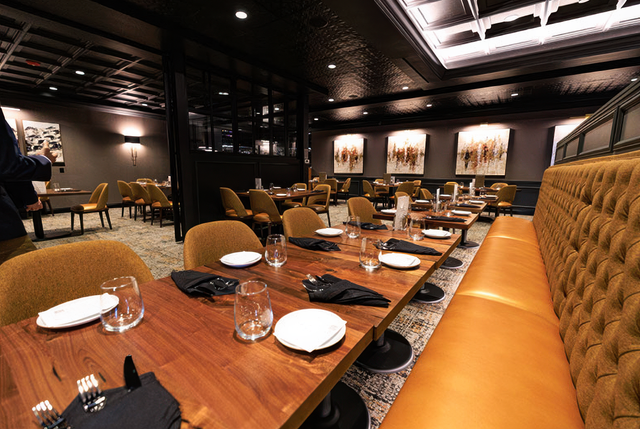
A diner booth is not just another seat. It is part of the room’s identity. In a diner, booths create the rhythm of the space. They divide the floor into comfortable zones, make the dining room feel familiar, and give guests a reason to settle in. In a café, booth seating can soften the room, turn a narrow wall into usable seating, and make the venue feel warmer without adding visual clutter.
That is why custom restaurant booths should be chosen differently from chairs, stools, or loose tables. A chair can be moved. A booth shapes the floor plan. It affects service flow, guest comfort, table spacing, cleaning access, seating capacity, and the overall character of the venue.
A Quick Way to Think About the Shortlist
Each supplier below serves a slightly different type of project.
-
The Chair Market is the strongest starting point for diners and cafés that want custom or standard restaurant booths as part of a larger commercial seating package.
-
First Class Mastercraft is useful for built-in banquette projects where craftsmanship, exact measurements, and upholstered detail matter.
-
A.B. Seating Mfrs. Ltd. works well for operators that want a custom booth manufacturer involved in layout, upholstery, and installation details.
-
Restaurant Booth Maker is relevant for classic diner-style booth projects and custom commercial upholstery.
-
Tanho Furniture is a practical source for wood-frame diner and restaurant booths in commercial hospitality settings.
5 Best Custom Restaurant Booth Suppliers for Diners and Cafés
1. The Chair Market: Best Custom Restaurant Booth Supplier
The Chair Market is a strong first choice for diners and cafés because it covers more than just the booth itself. The company offers custom and standard restaurant booths, along with restaurant chairs, bar stools, tables, hospitality seating, and related commercial furniture. That matters for operators who need the dining room to feel cohesive, not pieced together from unrelated suppliers.
For a diner, The Chair Market can support booth seating alongside counter stools, dining chairs, and tables. For a café, it can help connect a banquette wall with loose seating, small tables, and other commercial pieces. This makes it especially useful when the booth is one part of a larger seating plan. Instead of treating booths as isolated furniture, operators can think through the full room: wall seating, center tables, counter seating, and waiting areas.
The Chair Market’s booth offering is also practical for venues that need guidance from spec to completion. Booth projects often require decisions about width, height, upholstery, base style, and table compatibility. Having access to both booth seating and broader commercial furniture support can help diner and café owners avoid a common problem: ordering booths that look good on their own but do not work smoothly with the rest of the room.
Use this supplier when:
-
The venue needs booths plus chairs, tables, or stools.
-
The project requires standard or custom restaurant booths.
-
The operator wants booth seating that fits a broader commercial dining layout.
-
The space needs a coordinated diner, café, or casual restaurant furniture package.
2. First Class Mastercraft
First Class Mastercraft is a custom banquette and booth seating maker based around handcrafted built-in seating. Its work is especially relevant for cafés, lounges, and restaurants that need booths or banquettes made to exact measurements. The company describes custom banquette seating for restaurants, cafés, lounges, commercial spaces, and built-in dining areas, with frames, foam, CNC shaping, and upholstery handled through its workshop.
This type of supplier is a good match for cafés that want the booth to feel integrated into the architecture. A long wall banquette, curved corner booth, or built-in seating system can make a small café feel more intentional and more spacious. Instead of adding separate furniture pieces, the seating becomes part of the room. That is especially useful in narrow spaces, window walls, and layouts where every inch matters.
For diners, First Class Mastercraft may be useful when the operator wants a more custom-built seating experience rather than a standard modular booth look. A booth can be shaped to fit a corner, follow a wall, or create a more refined dining nook. The value is in the detailed fit: measurements, materials, upholstery, foam, and the final relationship between the booth and the room.
Use this supplier when:
-
The project needs built-in banquette seating.
-
The booth must fit exact measurements.
-
The café or diner has a difficult wall, corner, or niche.
-
The operator wants a more crafted, custom-installed look.
3. A.B. Seating Mfrs. Ltd.
A.B. Seating Mfrs. Ltd. custom designs booth and banquette seating for restaurants, bars, cafés, and other hospitality-style spaces. The company works with customers on floor plans, upholstery, and seating details, which makes it relevant for projects where the booth needs to be planned around the room rather than selected from a simple product list.
This matters for cafés and diners because booth seating is tied directly to flow. A booth that is too deep may make the aisle feel tight. A back that is too high may close off the room. A booth that does not align with the table size can make the guest experience awkward. A custom manufacturer can help operators think through the details before the booth is built.
A.B. Seating is especially relevant for operators that want more involvement in the seating design process. Instead of only choosing a color or style, the owner can consider how the booth fits the floor plan, how the upholstery supports the brand, and how the finished seating will work during daily service. That makes it useful for neighborhood cafés, small restaurants, diners, and hospitality spaces with unusual layouts.
Use this supplier when:
-
The operator wants a custom booth manufacturer involved in the planning.
-
The project requires upholstery selection and layout discussion.
-
The venue has a specific floor plan that standard booths may not fit.
-
The booth needs to support both comfort and space efficiency.
4. Restaurant Booth Maker
Restaurant Booth Maker is a Los Angeles-based custom booth maker focused on restaurant booths, diner booths, upholstery, lounges, and related commercial seating. The company has been associated with custom booth work for decades, making it relevant for operators who want classic booth seating made around a specific venue concept.
For diners, this kind of supplier fits naturally because diner booths are often part of the brand. A classic diner may need vinyl seating, channel backs, bold color contrast, and booth shapes that immediately feel familiar to guests. The booth is not just a seating unit. It is part of the nostalgia, the visual language, and the reason the room feels like a diner.
For cafés, Restaurant Booth Maker may be useful when the space needs a custom booth or lounge-style seating element that feels more personal than standard chairs. A café may want a soft corner booth, a small wall bench, or a seating area that encourages longer stays. Custom booth makers can help translate those ideas into practical seating that fits the space.
Use this supplier when:
-
The project leans toward classic diner booth styling.
-
The venue needs custom upholstery work.
-
The operator wants booth seating made around a specific visual concept.
-
The space requires booth, lounge, or bench seating rather than only loose chairs.
5. Tanho Furniture
Tanho Furniture supplies custom restaurant booths and commercial furniture, including handcrafted wood-frame diner and restaurant booths. Its offering is relevant for operators who want booth seating with a stronger furniture feel, especially when wood framing, upholstery, and commercial durability are part of the design brief.
Wood-frame booths can work well in diners and cafés that want warmth and structure. In a café, wood can make a seating area feel calmer and more natural. In a diner, it can create a more grounded version of the classic booth look. When paired with the right upholstery, wood-frame booths can feel both durable and welcoming.
Tanho Furniture is also useful for operators who want booth seating to support a broader hospitality layout. The right booth can define a wall, anchor a row of tables, or create a more organized seating zone. For cafés and diners that need compact but comfortable seating, custom booth dimensions can help improve capacity without making the room feel crowded.
Use this supplier when:
-
The venue needs handcrafted wood-frame booths.
-
The booth should feel warm, sturdy, and visually substantial.
-
The seating layout needs custom restaurant or diner booths.
-
The operator wants booth seating that works as part of a commercial furniture package.
Booth Layout Decisions That Matter Before You Choose a Supplier
Custom booth projects should begin with the room, not the upholstery.
Many diner and café owners start with the visual style, but the more important first question is how the booth will behave in the space. A beautiful booth can still create problems if it blocks movement, makes tables feel cramped, or leaves servers without enough room to work.
Before choosing a supplier, operators should think through five layout questions.
1. Wall Booth or Freestanding Booth?
Wall booths and banquettes are useful when the goal is to turn a long wall into efficient seating. They can make a narrow café or diner feel more organized, especially when paired with small tables.
Freestanding booths create stronger zones. They are useful in classic diner layouts, larger dining rooms, and spaces where the booth should divide the floor without needing a wall.
2. Single, Double, Corner, or Banquette?
A single booth works along walls or smaller sections. A double booth can serve two tables back-to-back. A corner booth can activate awkward space that might otherwise be wasted. A banquette can create a continuous seating run and increase flexibility.
Each format changes the way guests move and how staff serve the table.
3. High Back or Low Back?
High-back booths create privacy and a more intimate dining feel. They can work well in diners, lounges, and restaurants where guests are expected to sit longer.
Low-back booths keep the room visually open. They can work better in cafés, bakeries, and small spaces where lightness matters.
4. Vinyl, Fabric, or Mixed Upholstery?
Vinyl is often practical for diners because it is easier to clean and can support a classic booth style. Fabric can make cafés feel softer and more residential. Mixed materials can help balance durability and design.
The material should match the pace of the venue. A high-turnover breakfast diner and a quiet café do not need the same upholstery.
5. Booths Only, or Full Seating Package?
Some operators only need booths. Others need booths, dining chairs, bar stools, and tables that all work together. This is an important supplier decision. A supplier that can support the full seating package may help create a more consistent dining room.
Booth Styles That Work Especially Well for Diners and Cafés
Different booth styles create different guest expectations. A booth that feels right in a retro diner may feel too heavy in a small café. A soft banquette that works in a bakery café may not deliver the classic identity a diner owner wants.
Classic Channel-Back Booths
Channel-back booths are a strong fit for diners because they create an instantly recognizable look. They work well with vinyl upholstery, bold colors, chrome details, and simple table settings.
Wall Banquettes
Wall banquettes are ideal for cafés, small restaurants, and narrow rooms. They help maximize wall space while keeping the center of the room open for loose tables or circulation.
Corner Booths
Corner booths are useful when the layout includes awkward spaces that are hard to furnish with chairs. They can create cozy seating areas and make the room feel more intentional.
Wood-Frame Booths
Wood-frame booths work well when the venue wants more warmth or structure. They can make a café feel crafted and can give a diner a more durable, grounded look.
Lounge-Style Booths
Lounge-style booths are useful for cafés that encourage longer visits, dessert service, cocktails, or evening use. They can make the seating feel more relaxed than a standard dining booth.
The Booth Brief: What to Prepare Before Speaking With a Supplier
A strong supplier conversation starts with a clear brief. The more information the operator provides, the easier it is for the supplier to recommend the right format, dimensions, and upholstery.
Prepare these details before reaching out:
-
Floor plan or rough measurements
-
Number of tables the booth area needs to support
-
Desired booth type: wall, single, double, corner, or banquette
-
Preferred back height
-
Table size and table base style
-
Upholstery direction or inspiration photos
-
Venue type: diner, café, bakery, casual restaurant, or lounge
-
Expected traffic level
-
Cleaning requirements
-
Any matching chairs, stools, or tables needed
-
Delivery or installation constraints
-
Photos of the existing space
This brief helps prevent one of the most common booth mistakes: choosing a booth style before understanding the room.
FAQs About Custom Restaurant Booth Suppliers
What makes a custom restaurant booth different from a standard booth?
A custom restaurant booth is made around the venue’s layout, dimensions, upholstery preferences, and seating needs. A standard booth comes in preset sizes and styles. Custom booths are useful when a diner or café has unusual walls, tight aisles, specific design goals, or needs booth seating to match the rest of the dining room.
Are booths a good choice for small cafés?
Yes. Booths can work very well in small cafés when they are planned carefully. A wall banquette can turn unused wall space into comfortable seating while keeping the center of the room open. The key is choosing the right depth, back height, table size, and spacing so the café does not feel crowded.
What booth style is best for diners?
Classic channel-back booths are a strong choice for diners because they create the familiar diner look many guests expect. Vinyl upholstery, strong color contrast, and durable construction also work well in high-use diner settings. Corner booths, double booths, and wall booths can all help create a traditional diner floor plan.
What booth style is best for cafés?
Cafés often work well with wall banquettes, low-back booths, wood-frame seating, or softer upholstered benches. These styles help create a warm and relaxed atmosphere without overwhelming the room. Cafés should usually prioritize comfort, compact dimensions, natural materials, and seating that supports both quick visits and longer stays.
What should diner and café owners ask a booth supplier?
Owners should ask about measurements, frame construction, upholstery options, seat depth, back height, base style, delivery, installation, and table compatibility. They should also ask whether the supplier can work from a floor plan. A good supplier should help the owner understand how the booth will affect seating capacity and daily service flow.
How do custom booths improve restaurant layout?
Custom booths can help operators use walls, corners, and narrow spaces more efficiently. They can increase seating capacity, organize the room, improve guest comfort, and reduce the visual clutter of too many loose chairs. In diners and cafés, booths also help define the atmosphere and make the dining room feel more intentional.
What upholstery works best for diner and café booths?
The best upholstery depends on the venue. Diners often use vinyl or leatherette because they are practical for frequent cleaning and classic booth styling. Cafés may use softer fabrics, textured materials, or warmer colors to create a more relaxed feel. Operators should choose upholstery based on traffic, cleaning routines, and brand style.