
Cafe Chairs That Pay for Themselves: The Guest Turnover Connection
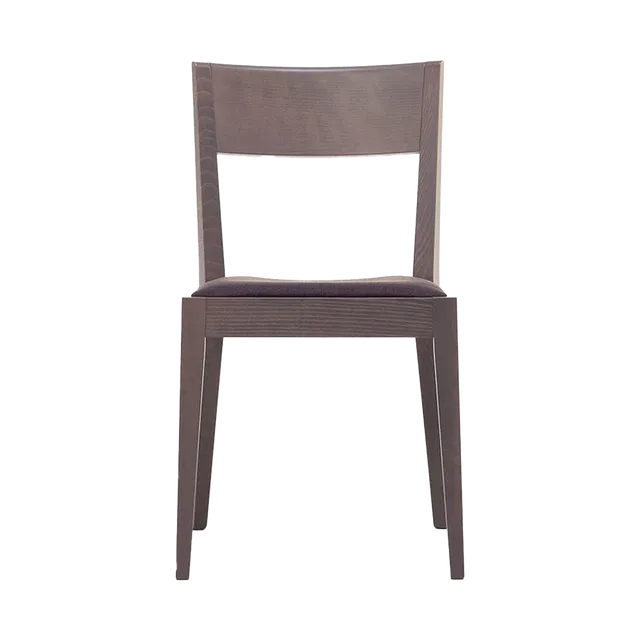
For cafe and bistro owners | Focus: comfort, guest spend, table turns, and long-term value
The right cafe chairs do more than fill a dining room. They influence how long guests stay, how comfortable they feel ordering another item, how easily staff move through the space, and how often each table can be used during service.
That does not mean every cafe should choose firm, quick-turn seating. A coffee shop built around remote work needs a different approach from a fast-casual cafe serving breakfast and lunch. The goal is to match the chair for cafe use to the way your business earns revenue.
When comfort, layout, and commercial durability work together, your seating can keep supporting the business for years.
Revenue Logic
Guest turnover is not simply about making people leave faster. It is about creating a seating experience that fits your concept.
A fast-casual cafe may be designed around shorter visits, often including takeaway traffic, quick breakfasts, and lunch service. In this setting, chairs should feel supportive and comfortable without encouraging guests to settle in for several hours.
A neighborhood coffee shop may want the opposite. If customers regularly order a second drink, pastry, or light meal while working or meeting, longer dwell time can increase the value of each visit. More cushioning, better back support, and a relaxed seating position may be appropriate.
The same chair can therefore perform differently in different businesses. A comfortable upholstered chair may help one cafe generate additional orders. In another, a large lounge-style seat may occupy too much space and reduce the number of covers during peak periods.
Before selecting cafe chairs, define:
- Your average guest visit length
- Your busiest service periods
- Whether guests primarily dine, work, meet, or take food to go
- Your average spend per guest
- The number of table turns you need during each service
- Whether seating must support indoor, outdoor, or mixed use
These decisions establish the level of comfort and flexibility your dining room requires.
Comfort Strategy
Comfort and turnover are not opposites. The better approach is calibrated comfort.
Guests should be able to sit properly, eat comfortably, and enjoy the experience without struggling against a chair that is too hard, too narrow, or poorly proportioned. When seating is uncomfortable, guests may leave before ordering another item or decide not to return. When seating is too relaxed for a high-volume concept, tables may remain occupied beyond the period your business model can support.
For a quick-turn cafe, look for:
- A supportive, upright back
- Moderate seat cushioning
- A compact profile that leaves enough room around the table
- Easy movement when guests sit down or stand up
- Lightweight construction for efficient cleaning and rearranging
- Stackability where storage space is limited
For a stay-awhile cafe, consider:
- More generous seat cushioning
- A contoured backrest
- Upholstered seats or fully upholstered seating
- Armchairs at selected tables
- A mix of standard dining chairs and softer lounge seating
- Side tables or smaller two-top tables for individual guests
A useful strategy is to combine seating types instead of using one chair throughout the room. A cafe may use durable wood or metal chairs in the main dining area, upholstered chairs in a quieter corner, and stools along a counter or window ledge.

Ergonomic Details
A chair for cafe use should be tested as part of the table setting, not as an isolated product. The relationship between the seat, table, and surrounding chairs affects guest comfort and service flow.
Common starting points for cafe seating include:
- Seat height: Approximately 17 to 19 inches generally works with standard dining tables, but confirm the measurement against your specific table.
- Seat depth: Around 16 to 18 inches can provide thigh support without pressing against the back of the knees.
- Seat width: Allow enough personal space for guests to sit and move comfortably without making the dining layout inefficient.
- Back support: A gently curved or contoured back can provide support while maintaining an upright posture.
- Table clearance: Check that the chair slides under the table where appropriate and that guests have enough legroom.
- Arm width: Armchairs require additional space. Measure the table and aisle before using them throughout the room.
Exact dimensions should be confirmed with your furniture supplier and tested with the tables you plan to use. A chair that feels comfortable in a showroom may feel cramped when paired with a thick tabletop, apron, or fixed base.
Ask your staff to sit in each shortlisted chair for 20 to 30 minutes. Check whether the back provides support, whether the seat edge creates pressure, and whether the chair is easy to pull out from the table. Staff can also identify practical concerns such as noise, floor drag, and how easily chairs can be lifted during closing.
For additional background on evaluating cafe seating, review this cafe seating guide from Buro Seating.
Durable Construction
A cafe chair earns its value through repeated use. It may be moved, cleaned, stacked, bumped, and occupied many times every day. Residential furniture is not always built for that operating environment.
Prioritize commercial construction features such as:
- Reinforced wood or metal frames
- Strong joints designed for repeated daily use
- Stable legs that do not rock on hard flooring
- Durable finishes that tolerate regular cleaning
- Commercial upholstery or easy-clean seat materials
- Replaceable floor glides
- Stackable construction where storage and cleaning require it
Solid wood chairs can provide warmth and a traditional look in cafes and bistros. Metal chairs can offer a practical solution for high-traffic areas, particularly where easy maintenance and a lighter visual profile matter. Plastic and aluminum options may be useful for patios or spaces where chairs need to be moved frequently.
Upholstery also requires a practical review. A soft fabric may suit a quiet specialty coffee shop, while a busy breakfast cafe may benefit from a material that can be wiped clean quickly. Ask whether the upholstery is appropriate for commercial use and whether replacement fabric or repair support is available.
The lowest purchase price is not always the lowest cost. A chair that loosens, chips, stains, or fails after a short period can create replacement costs, staff disruption, and inconsistent seating across the room. A durable commercial chair may have a higher initial price but a lower cost per year.
That is the part of the investment that allows cafe chairs to keep paying for themselves.

Layout Efficiency
Every chair affects the number of seats you can place and how easily people can use them.
Avoid planning only from the number of chairs you want to purchase. Start with the floor plan, table sizes, service paths, entrance, washrooms, counter, and any accessibility requirements. Then test the layout with the actual chair dimensions.
Keep these questions in view:
- Can guests pull chairs out without blocking an aisle?
- Can servers pass comfortably while carrying trays?
- Are two-top tables easy to combine when larger groups arrive?
- Can staff clean beneath and around the chairs?
- Do chair arms interfere with table edges?
- Is there enough room for guests to sit without touching the next table?
- Can the dining room be rearranged for private events or peak periods?
A compact chair can help maximize capacity, but compact should not mean uncomfortable. Leaving sufficient space between chairs gives guests room to move and can make service more efficient.
If your cafe changes from morning coffee service to evening dining, flexible seating can be especially valuable. Lightweight side chairs, movable tables, and stools allow the room to serve different purposes throughout the day.
Explore The Chair Market’s cafe and bistro seating collection for styles ranging from classic bentwood chairs to contemporary wood, metal, and upholstered options.
Product Selection
Different chair styles support different cafe concepts.
A traditional bentwood chair can suit a bakery, bistro, or neighborhood cafe. Its curved frame and familiar profile provide a classic look without making the room feel heavy.
A contemporary wooden chair with an upholstered seat can add more comfort while maintaining a clean, practical appearance. This type of seating may work well in cafes that want guests to stay for a meal, meeting, or second beverage.

A stackable chair can be useful when floor space must be cleared regularly. It may be suitable for cafes that host events, share space with a retail area, or need efficient closing procedures.
For high-use dining rooms, review The Chair Market’s commercial seating collection. For a broader package, the restaurant furniture collection includes chairs, tables, and related seating options.
Buying Checklist
Before purchasing cafe chairs, confirm the following:
- Concept fit: Does the chair support quick dining, longer visits, or a combination of both?
- Comfort: Have you tested the seat, back, height, and depth with your tables?
- Durability: Is the chair designed for commercial hospitality use?
- Cleanability: Can staff clean the material efficiently between services?
- Movement: Is it easy to lift, pull out, rearrange, and store?
- Space: Do the chair dimensions work with your aisles and table spacing?
- Consistency: Can you reorder the same style if a chair is damaged later?
- Quantity: Have you included extra chairs for replacement, storage, or future seating needs?
- Supplier support: Can the supplier provide finish, upholstery, and delivery information?
- Total cost: Does the chair offer value over its expected service life, not just at purchase?
The Chair Market has supplied seating to hospitality businesses and institutions for over 50 years, with a large selection of commercial chairs, tables, stools, and accessories. We remain committed to helping cafe owners compare practical options for comfort, style, durability, and budget.
Final Choice
The best cafe chairs do not force every guest to stay longer or leave sooner. They support the operating model of the business.
Choose upright, easy-to-move seating when quick table turns are central to the concept. Choose more cushioning and back support when longer visits contribute to additional orders and repeat business. Use a combination of styles when different areas of the cafe serve different purposes.
Most importantly, evaluate commercial durability alongside appearance. A chair that remains stable, comfortable, and presentable through years of daily use can protect your investment while supporting revenue from every seat.
Check out The Chair Market’s cafe and bistro seating options, or contact the team at 718-363-3097 or sales@thechairmarket.com.
New York Showroom | 1357 Atlantic Ave, Brooklyn, NY 11216 | M–Thur 9–5pm, Fri 9–3pm
Florida Showroom | 1211 Stirling Road, Ste 101, Dania Beach, FL 33004 | By appointment only
Minimum order quantity: 10 pieces