
Resin vs Plastic Chair: What's the Difference and Why It Matters for High-Traffic Spaces
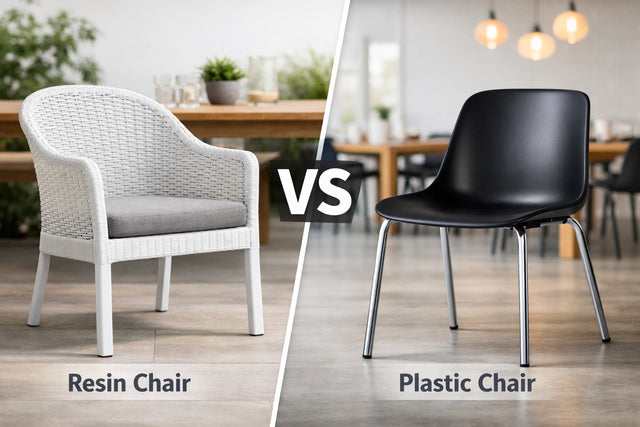
If you've ever shopped for commercial seating, you've probably noticed that "plastic chairs" and "resin chairs" get used interchangeably. Here's the thing: they're not the same, and that difference can make or break your furniture budget in a high-traffic space.
Let's clear up the confusion once and for all.
The Material Science Nobody Talks About
Here's what separates resin from standard plastic: density and engineering.
Resin chairs are manufactured using high-density resin compounds specifically formulated for strength and longevity. Think of it as plastic's more serious, gym-going older sibling. These compounds are engineered at the molecular level to handle stress, impact, and environmental exposure.
Plastic chairs, on the other hand, use lower-cost, thinner plastic materials. They're lighter, easier to produce, and yes: significantly cheaper. But that savings comes with trade-offs that become glaringly obvious in commercial environments.
The chemistry here isn't just academic. These material differences directly impact how your chairs perform when customers are sliding them across floors multiple times per day, when staff are stacking them after service, and when sunlight is beating down on your patio seating for eight hours straight.
Five Performance Differences That Actually Matter
1. Scratch and Ding Resistance
Walk into any restaurant that's been open for more than six months, and you'll see the evidence: scuffed chair legs, scratched seats, dinged edges. Resin chairs resist this kind of surface damage far better than standard plastic.
Why? That high-density composition absorbs impacts differently. Where plastic might crack or show permanent marks, resin bounces back. This matters less for appearance (though that's important too) and more for structural integrity over time.
2. UV Resistance That Goes the Distance
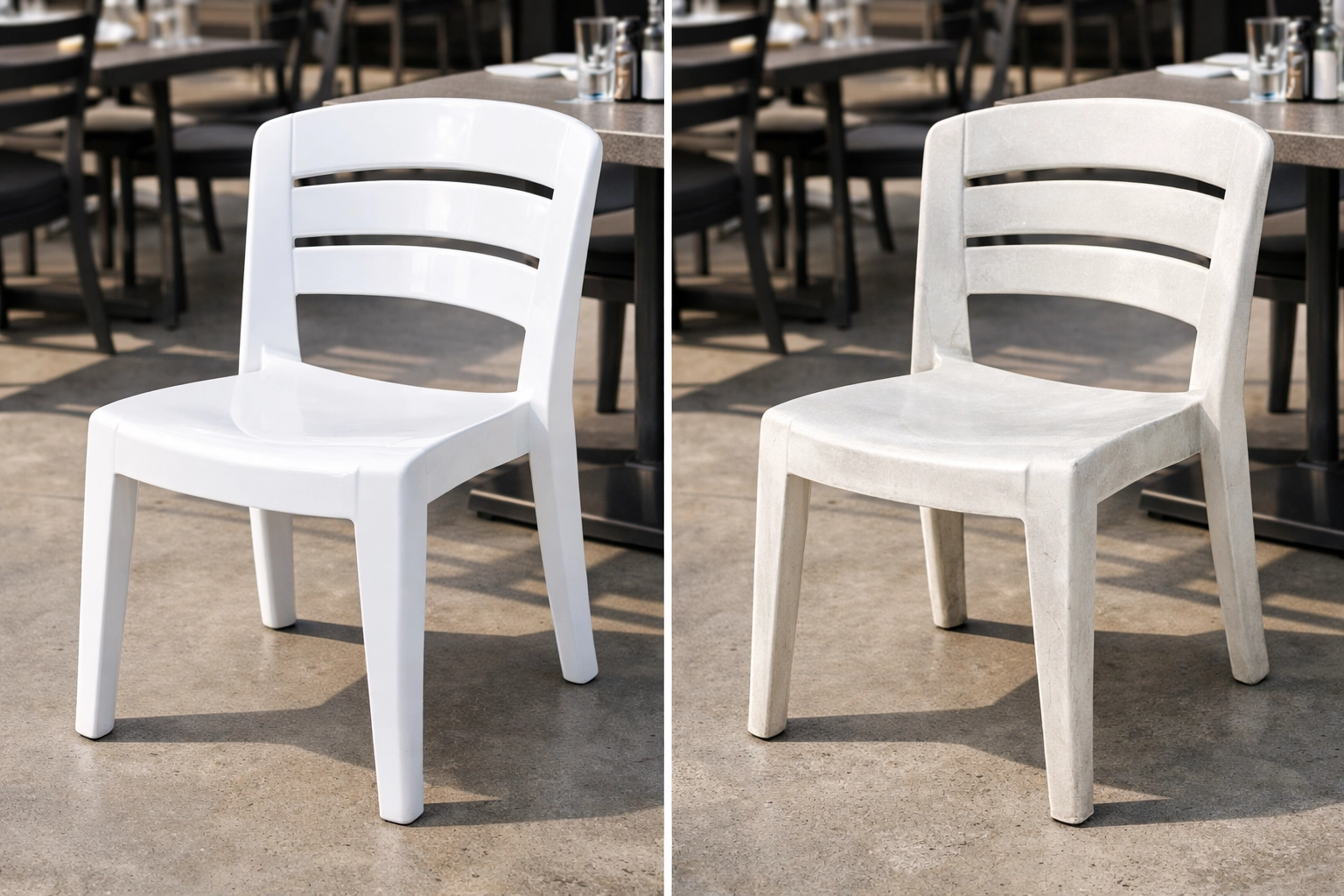
If you're furnishing outdoor seating, this is your deciding factor. Resin chairs are built to withstand UV exposure equivalent to 20,000 hours of direct sunlight without fading or becoming brittle.
Standard plastic chairs? They'll start showing sun damage within months. That crisp white turns into a chalky, yellowed mess. The material becomes brittle, and suddenly you're dealing with cracked seats during peak season.
3. Weight Capacity You Can Trust
Resin furniture is regularly engineered to handle heavier weight capacities. This isn't about discrimination: it's about physics and safety. In high-traffic commercial spaces where you're serving diverse clientele all day long, the last thing you need is furniture failure.
Standard plastic chairs meet basic safety requirements, sure. But resin gives you a much more comfortable margin of error.
4. Cleaning and Maintenance
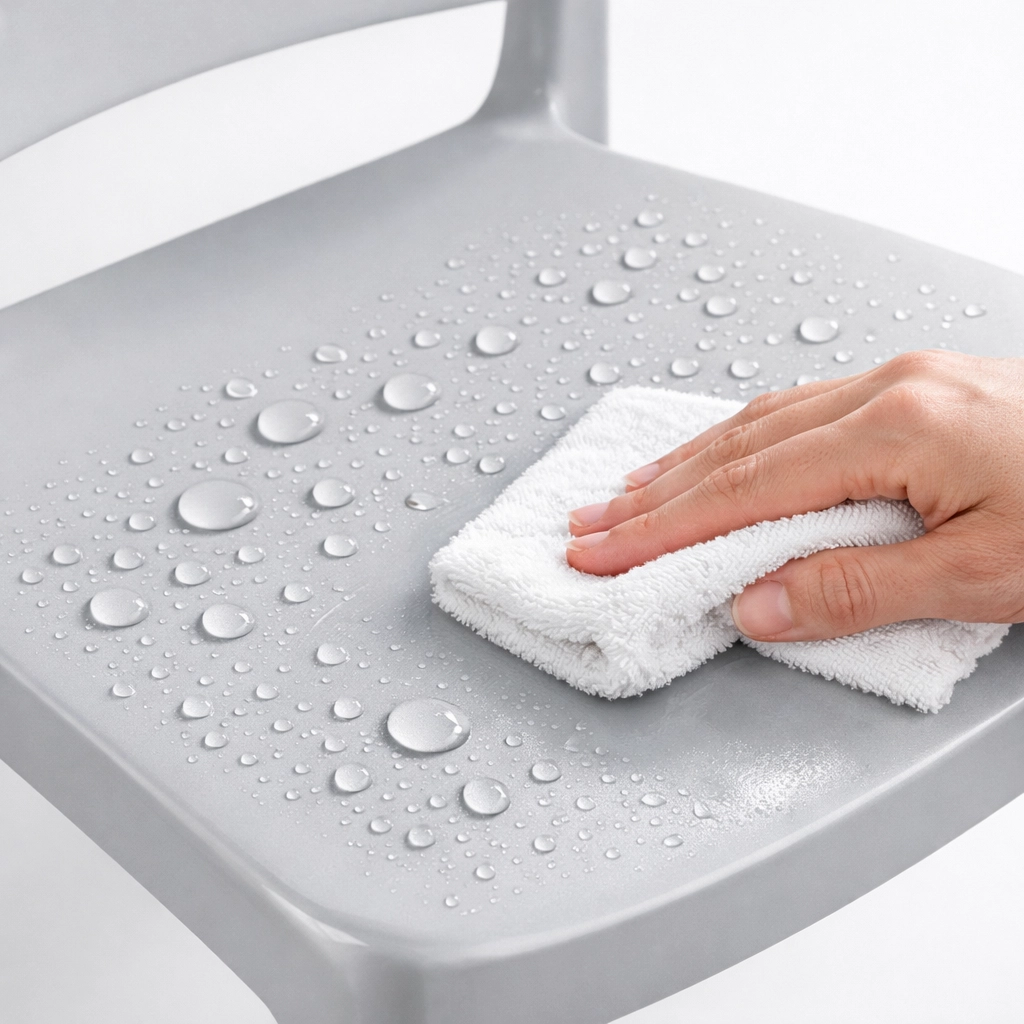
Here's where resin really shines for busy operations: that smooth, non-porous surface cleans up incredibly easily. Soap, water, done. No special products, no elbow grease, no worrying about staining.
Both resin and plastic are easier to maintain than upholstered options, but resin's density means it doesn't develop the micro-scratches that can harbor bacteria over time. For restaurants dealing with health inspections and high sanitation standards, this is a genuine operational advantage.
5. Weight and Stability Trade-offs
Standard plastic chairs are lighter, which sounds like a benefit. For event spaces that need to reconfigure layouts constantly, it can be. But in restaurants and cafes, that lightness becomes a liability.
Customers bump into lightweight chairs. They slide around. They tip over more easily. Resin's additional weight keeps chairs grounded during service, reducing the constant need for staff to straighten seating areas.
When Resin Makes Perfect Sense
Let's get specific about scenarios where resin chairs justify their higher price point:
Outdoor dining areas with consistent sun exposure. If your patio is your moneymaker during warm months, UV-resistant resin will outlast plastic chairs by years. The fade-proof construction means you're not replacing furniture every season.
High-volume restaurants with constant turnover. When chairs are being moved, cleaned, and repositioned dozens of times per day, durability directly impacts your bottom line. Resin reduces replacement frequency dramatically.
Poolside and waterfront venues. The combination of UV exposure, water, and humidity destroys standard plastic. Resin handles these conditions without degrading.
Any space prioritizing longevity over upfront cost. If you're planning to stay in your location for years, resin's lifespan makes it the smarter investment despite the higher initial price.
When Standard Plastic Chairs Work Fine
Resin isn't always the answer. Standard plastic chairs cost roughly half as much as resin options, and there are legitimate situations where they're the right choice:
Temporary or seasonal setups. Pop-up patios, seasonal outdoor expansions, or short-term event spaces don't need furniture built for decades.
Low-traffic secondary areas. Break rooms, overflow seating, or waiting areas that see minimal daily use don't require heavy-duty construction.
Tight budgets with short-term planning horizons. If you're bootstrapping a new concept and need to furnish quickly, plastic chairs get you operational. You can always upgrade later.
Indoor spaces with minimal movement. Protected indoor environments without heavy use don't expose plastic's vulnerabilities.

The Real Cost Calculation
Here's the math that matters: a standard plastic chair might cost $30, while a comparable resin chair runs $60. Looks like plastic wins, right?
Not when you factor in replacement cycles.
If your plastic chairs need replacing every 18-24 months in a high-traffic environment (and they often do), while resin chairs last 5-7 years, the resin option is actually cheaper over time. Add in the labor cost of constantly replacing damaged chairs, disposal fees, and the operational disruption of furniture swaps, and resin becomes the clear winner for permanent installations.
That said, for venues with genuine short-term needs or extremely low traffic, plastic's lower entry cost is legitimately advantageous. The key is being honest about your actual usage patterns.
Making Your Decision
Start by asking yourself three questions:
1. How much daily use will these chairs see?
Count movements, cleanings, and stacks per day. If it's more than 10-15 cycles daily, lean toward resin.
2. What's your environmental exposure?
Indoor-only and climate-controlled? Plastic might work. Any outdoor exposure or direct sunlight? Go resin.
3. What's your actual planning horizon?
If you're genuinely unsure about staying in your space beyond two years, optimize for lower upfront cost. If you're committed long-term, optimize for durability.
For most restaurants, cafes, and hospitality venues operating in permanent locations with steady traffic, resin chairs deliver better value despite the higher sticker price. The durability, ease of maintenance, and extended lifespan typically justify the investment within the first year.
For event spaces, temporary setups, or very low-traffic applications, standard plastic chairs provide perfectly adequate performance at a fraction of the cost.
Finding the Right Seating for Your Space
The resin versus plastic debate isn't about one being universally better: it's about matching material performance to your actual operational needs. High-density resin delivers commercial-grade durability for demanding environments. Standard plastic provides budget-friendly functionality for lighter-use applications.
Ready to compare options? Browse our complete selection of commercial seating to see the full range of materials, styles, and price points available. Whether you need UV-resistant patio furniture or cost-effective indoor seating, matching the right chair to your space starts with understanding what you're actually buying.
Questions about which material makes sense for your specific setup? Our team has furnished everything from fast-casual chains to fine dining patios: we're happy to talk through your requirements and help you make the right choice for your space and budget.